Research, Engineering Validation & Innovation
Advancing clean energy innovation through simulation-driven design, laboratory validation, and engineering-focused research — ensuring every system is tested before real-world deployment.
Our Technology Validation & Innovation Ecosystem
A structured research framework combining advanced simulation, laboratory testing, academic collaboration, and system validation to support scalable clean energy development.
Advanced Simulation & Design Validation
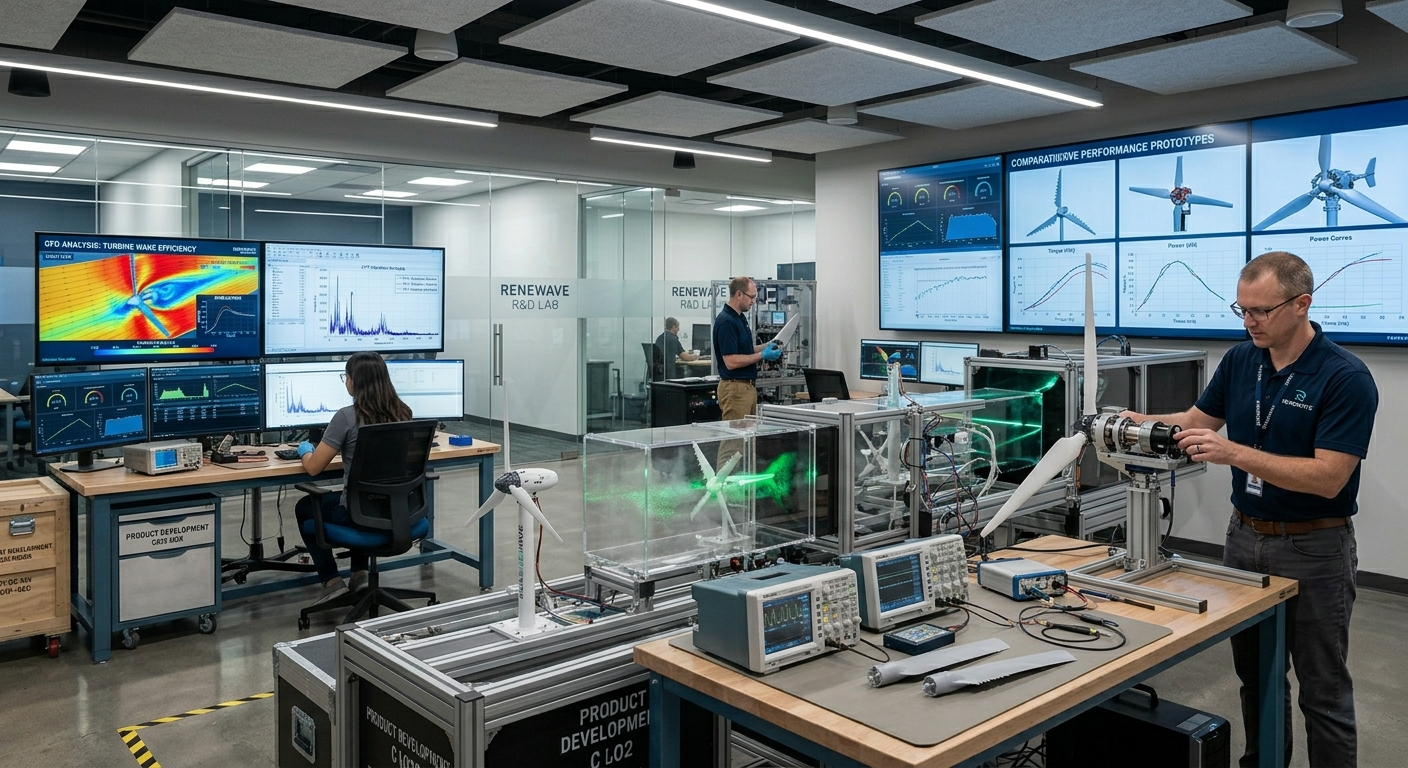
Advanced Simulation through Specialized Engineering Software — 3D modelling, CFD analysis, and performance prediction for every turbine and hydrogen system design.
Research-Driven Engineering Approach
Research-Driven Approach with Scientists & Domain Experts — integrating cutting-edge academic insights into practical engineering solutions.
Academic & Technical Collaboration
Collaboration with University Professors & Academic Institutions — ensuring our designs are grounded in peer-reviewed scientific principles.
Experimental Testing & Validation
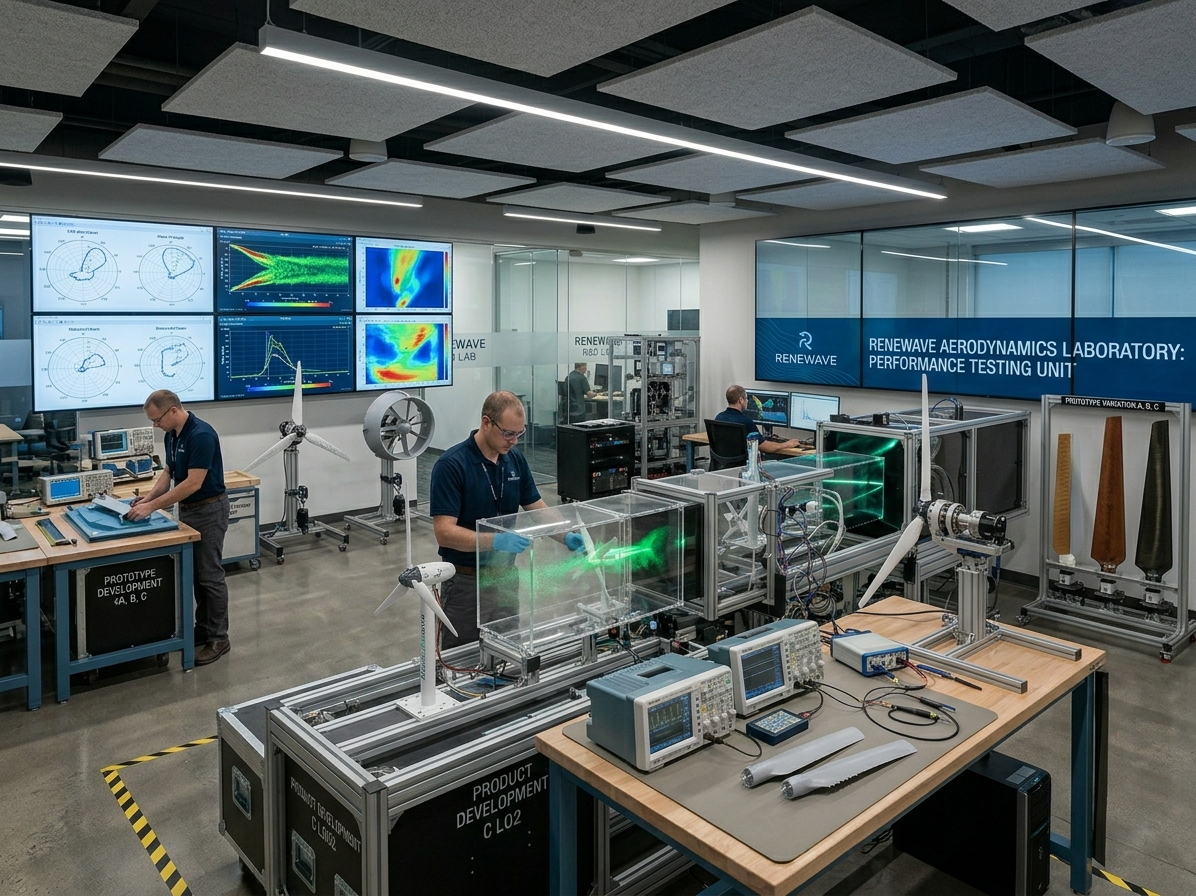
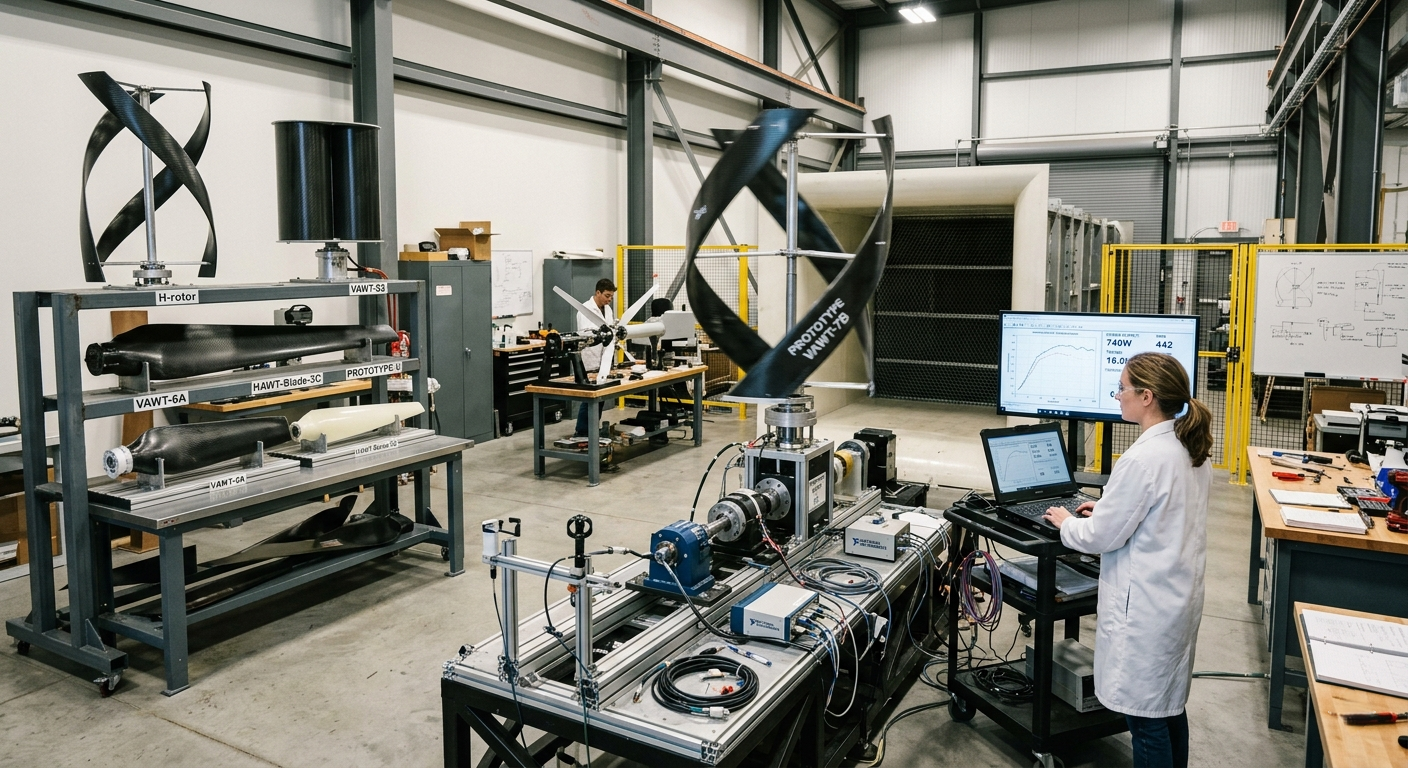
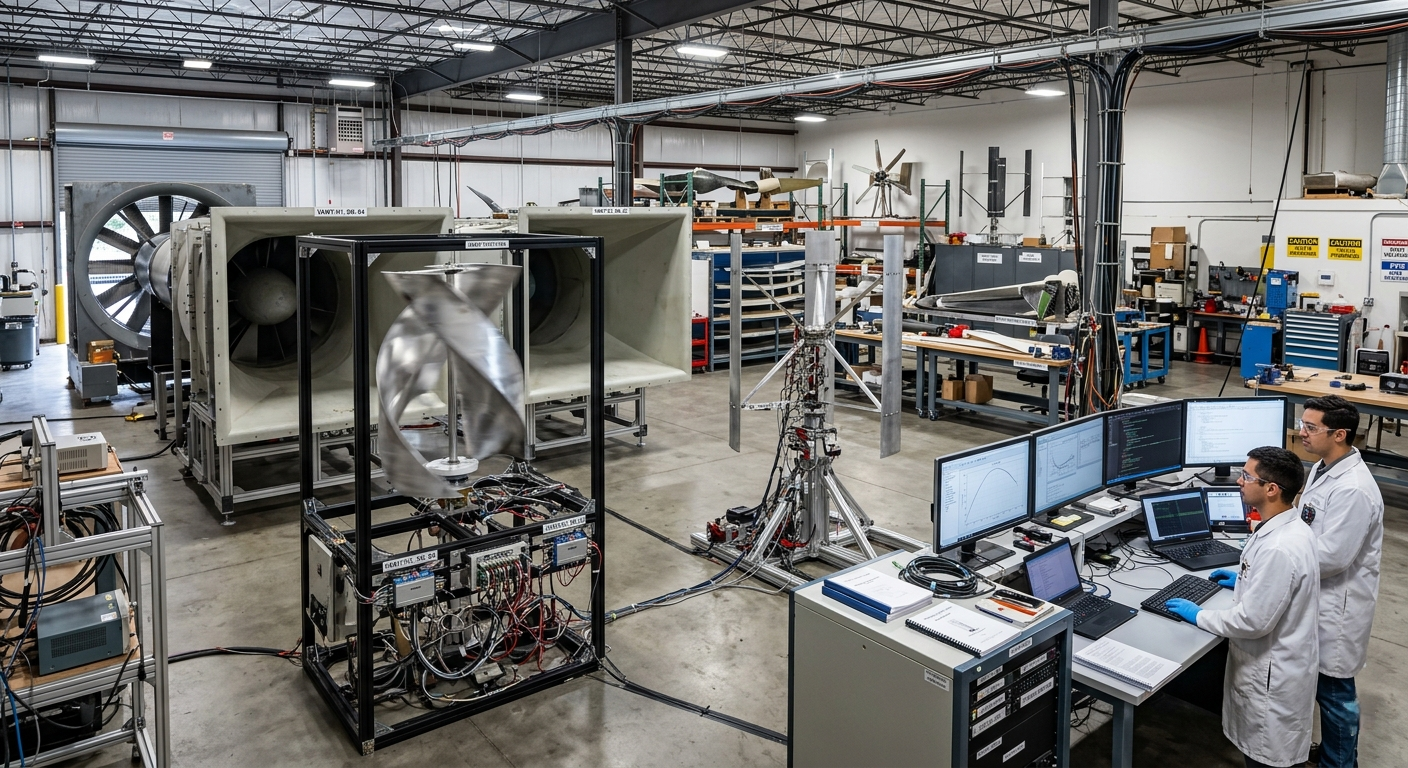
Dedicated Laboratory Testing & Experimental Validation — every design is tested empirically before deployment, eliminating field-level risk.
Specialised Research Infrastructure
Dedicated research environments for critical engineering domains including wind aerodynamics, electrical systems, and hydrogen-related development activities.
Structured Engineering Protocols
Clearly defined engineering procedures, technical workflows, and activity-specific standards designed to support consistency, quality, and compliance.
Precision Engineering Tools
Use of specialised engineering tools, instruments, and technical resources to support accurate analysis, testing, and process-level validation.
Research & Academic Foundation
Supported by technical research, engineering studies, and validated methodologies that strengthen the scientific foundation of our innovation efforts.
CFD Simulation, Prototyping & Validation
Our turbine and hydrogen system development process is supported by Computational Fluid Dynamics (CFD), engineering simulation, and physical prototyping to validate design performance before real-world deployment. This ensures that innovation is backed by measurable technical analysis, not just conceptual assumptions.
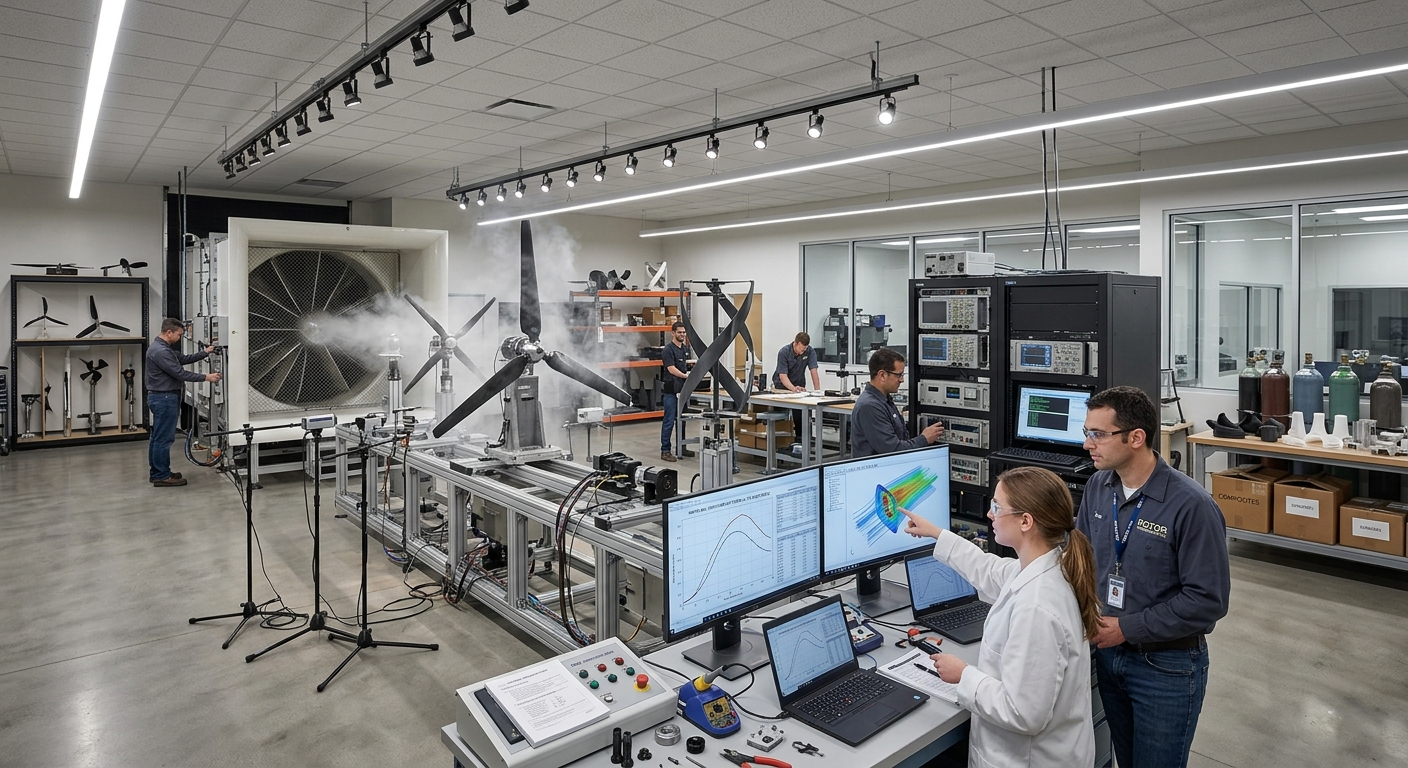
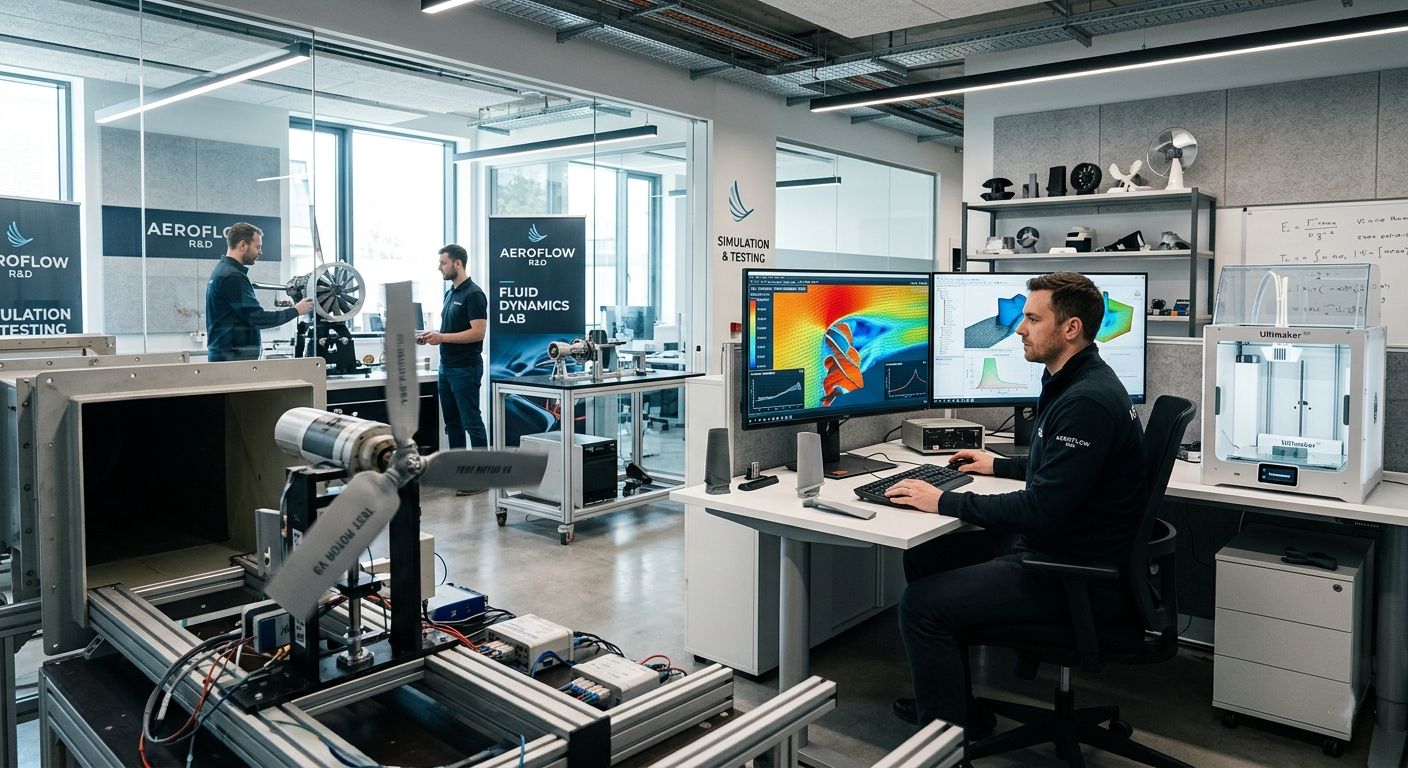
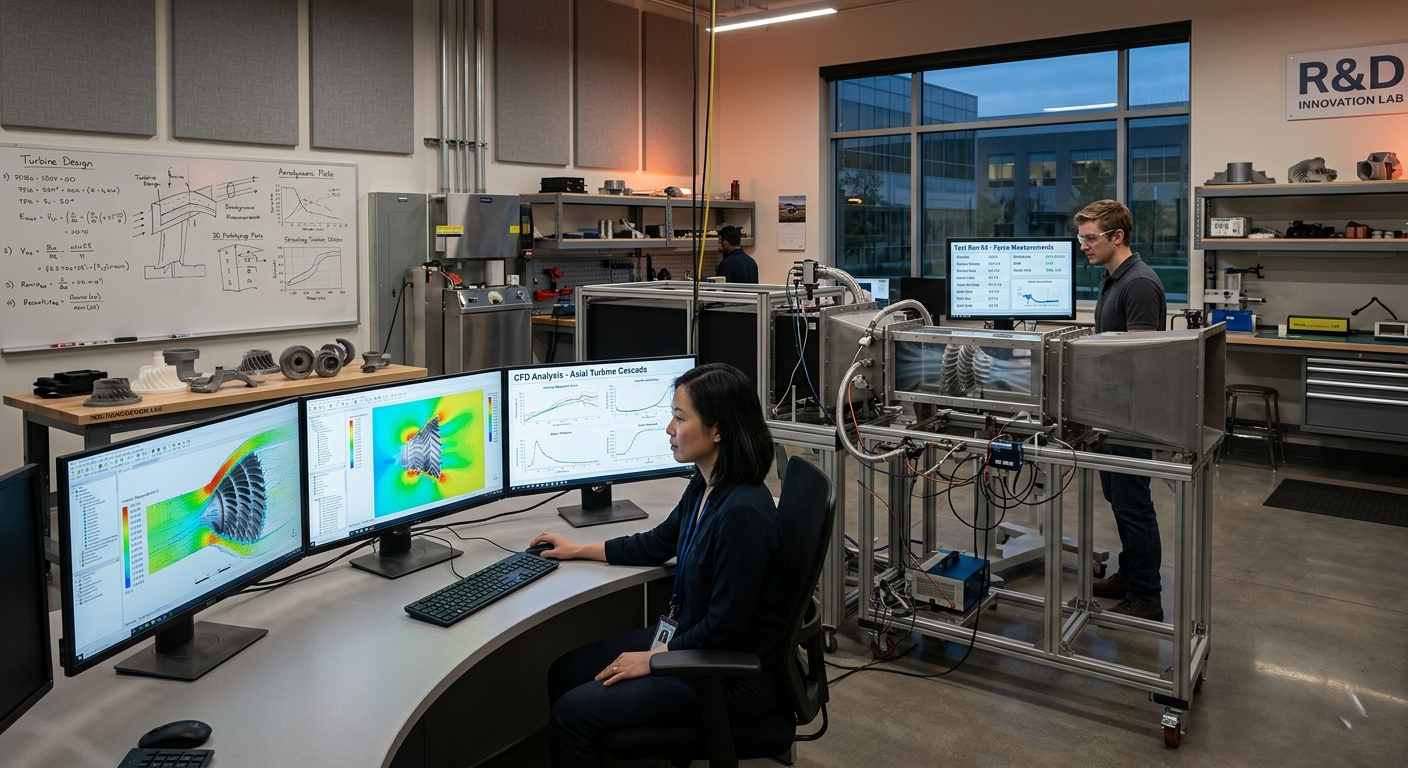
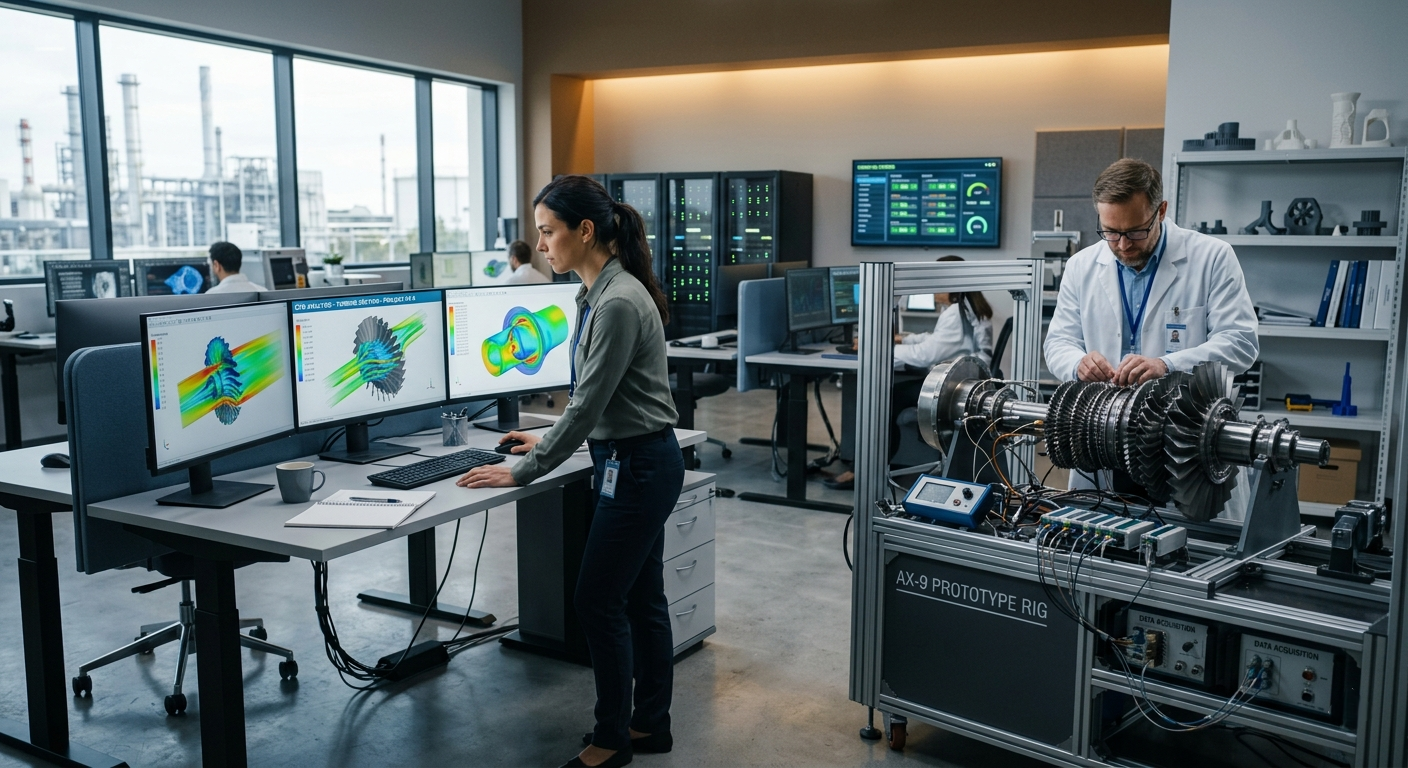
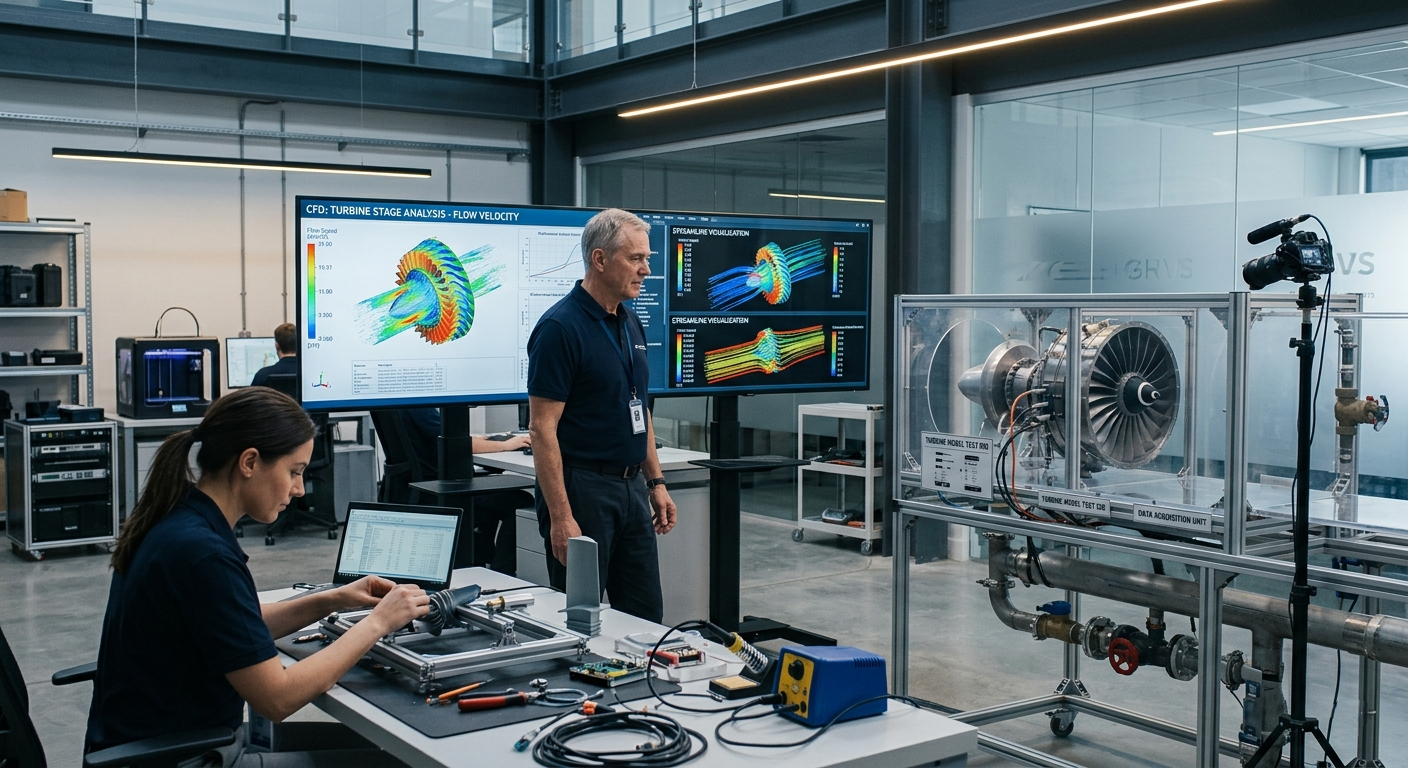
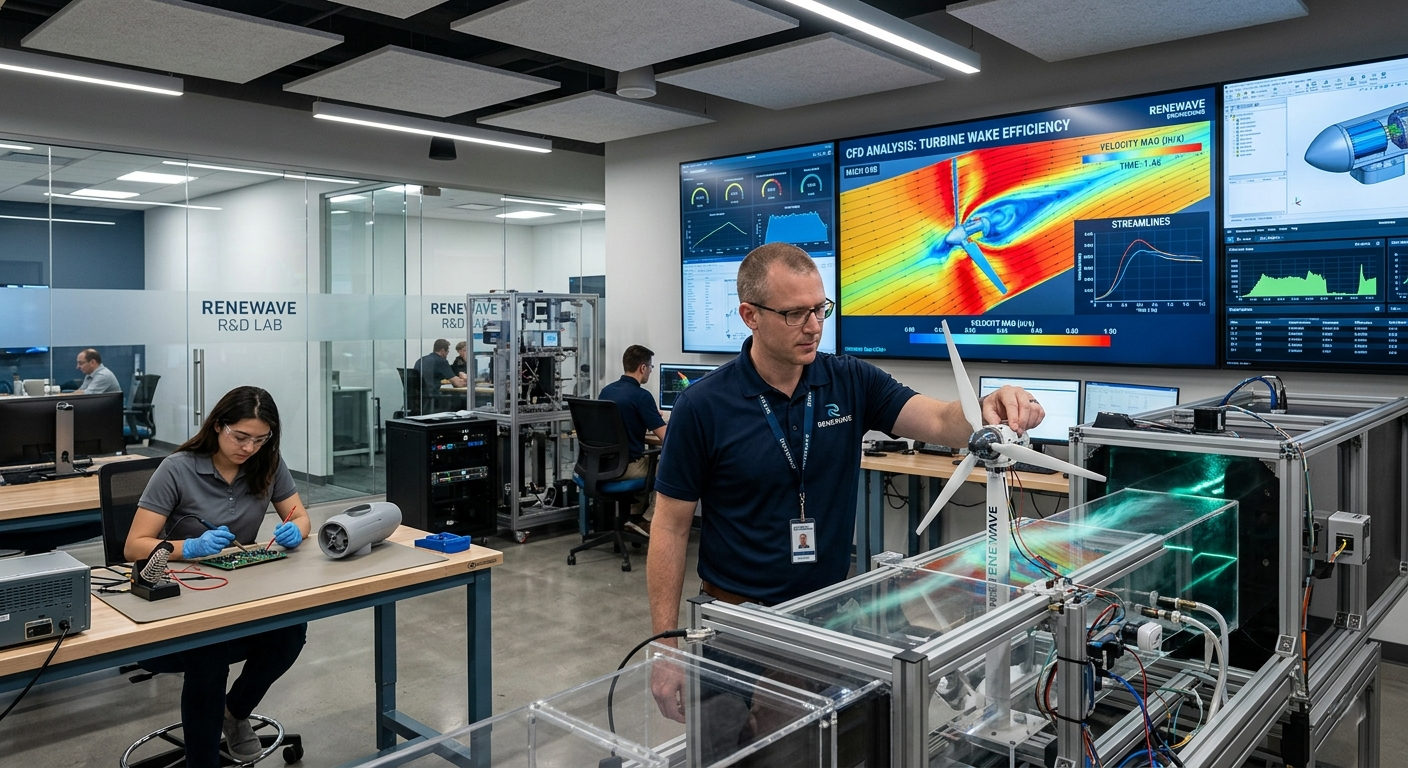
Our R&D approach is supported by published technical research, engineering studies, and internationally recognized clean energy references.
Continue Exploring
Explore Related Capabilities
Technology Overview
Explore how our research and engineering efforts are translated into practical clean energy and hydrogen-ready technology systems.
Learn moreIndustrial Applications
Discover where our validated clean energy technologies can support industrial decarbonization and future hydrogen integration opportunities.
Learn moreExplore collobaratorship
Connect with Steelco Power for academic, technical, industrial, or innovation-focused collaboration opportunities.
Learn more